We use cookies to improve your experience on our website. By continuing you acknowledge cookies are being used.

Intergenerational wealth transfer
- Title
- Intergenerational wealth transfer
What it means for you and your family
By Lincoln Rego, Shadforth Private Wealth Adviser
Over the past few years, more and more of my conversations with clients have shifted beyond “how do I grow my wealth?” to “what happens to it next?”
For many of you, this isn’t theoretical. You’re thinking about helping your children into their first home, supporting education, or making sure your estate is structured in a way that reflects your values. In some cases, you’re also starting to receive wealth from your own parents and navigating what to do with it.
What I’ve learned is that transferring wealth across generations is rarely just about money. It’s about timing, fairness, family dynamics and ultimately the kind of impact you want your wealth to have.
One of the most common scenarios I see is parents wishing to “help now rather than later.” Whether it’s contributing to a home deposit or providing financial support at key life stages. This can be incredibly powerful, allowing the benefit to occur during your lifetime and can genuinely change your children’s financial trajectory.
But it also raises important questions. How do you do this fairly? How do you ensure it doesn’t compromise your own retirement? And how do you balance helping one child now if others may need support later?
Superannuation is another area that often gets overlooked in these discussions. Because it doesn’t automatically form part of your estate, it needs to be handled carefully. I’ve seen situations where outdated beneficiary nominations or misunderstood tax rules have led to outcomes that didn’t reflect what the client actually intended.
Just as important as the technical side is communication. In my experience, most family disputes don’t arise because of the amount of money involved, but because expectations were never clearly discussed. Even a simple conversation about your intentions can prevent a lot of confusion down the track.
The role of an adviser in all of this is to help their client think through both the financial and personal aspects. That might mean structuring things tax-effectively, but it also means helping to navigate timing, fairness and facilitate family conversations.
Planning the transfer of your wealth isn’t a one-off decision. It’s something that evolves over time as your circumstances—and your family’s—change.
If you’ve been thinking about how to support your family or what legacy you want to leave, it’s worth having that conversation. Often, a small amount of planning now can make a significant difference later.
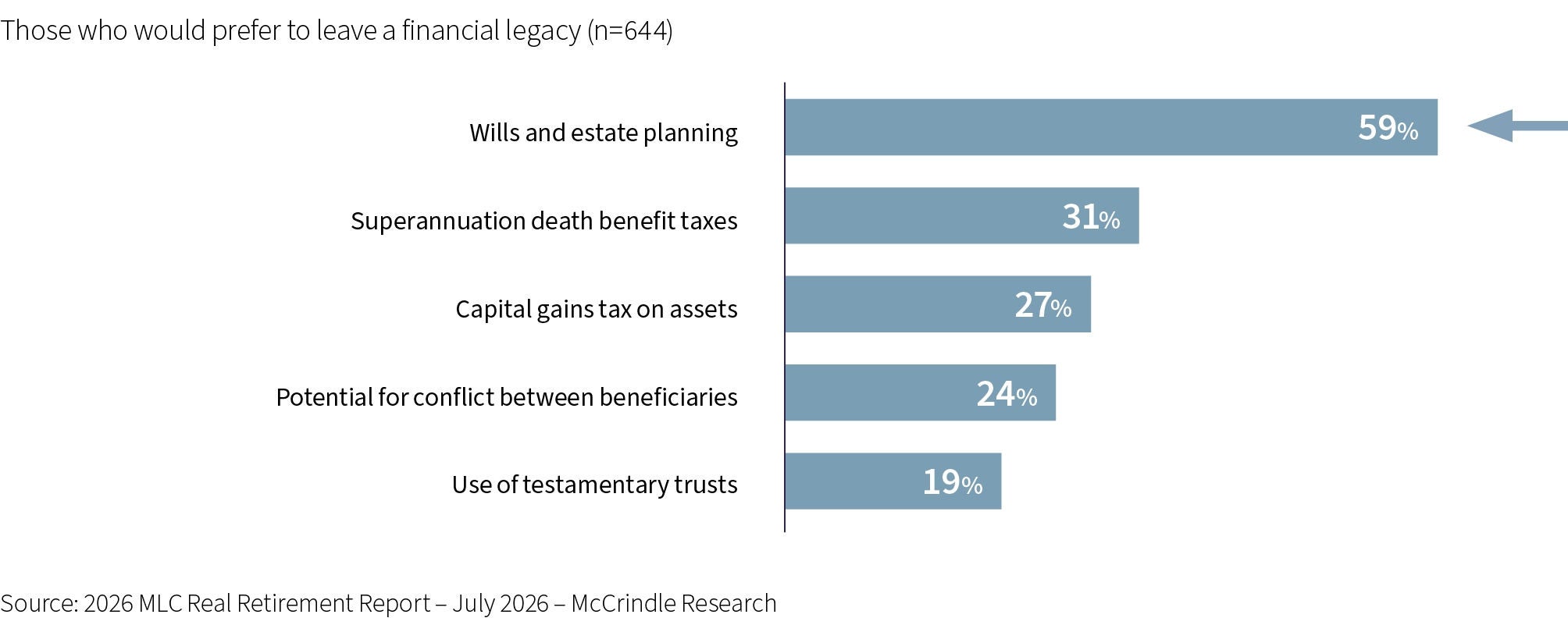
Of the options provided, Australians who want to leave a financial legacy are most likely to have considered wills and estate planning.
Which of the following have you considered regarding leaving a financial legacy?
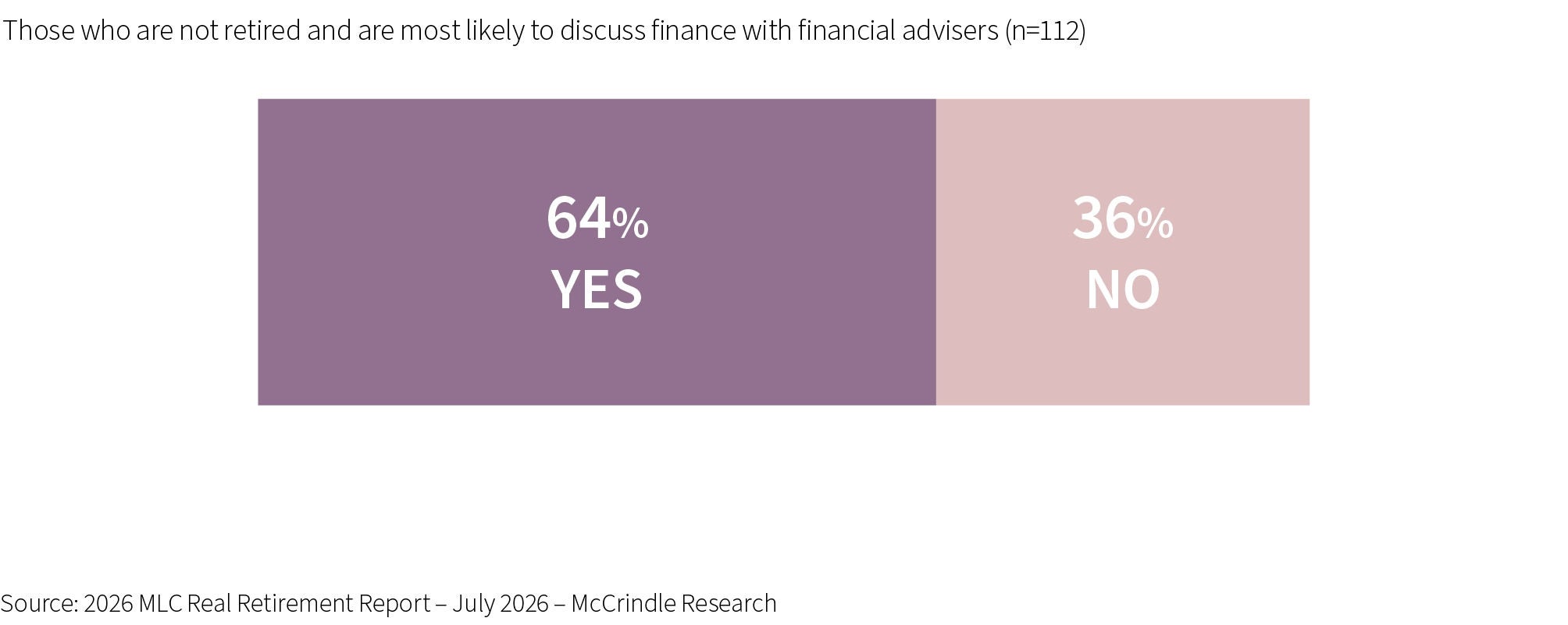
The majority of those who prefer to discuss finance with financial advisers are open to using the same adviser as their parents.
Would you be open to using the same financial adviser as your parents?
Seek advice
A qualified financial adviser can help you make sense of your options and ensure your super and investments are structured appropriately. Contact us for a complimentary discussion to see if advice is right for you.